

By Spramani Elaun
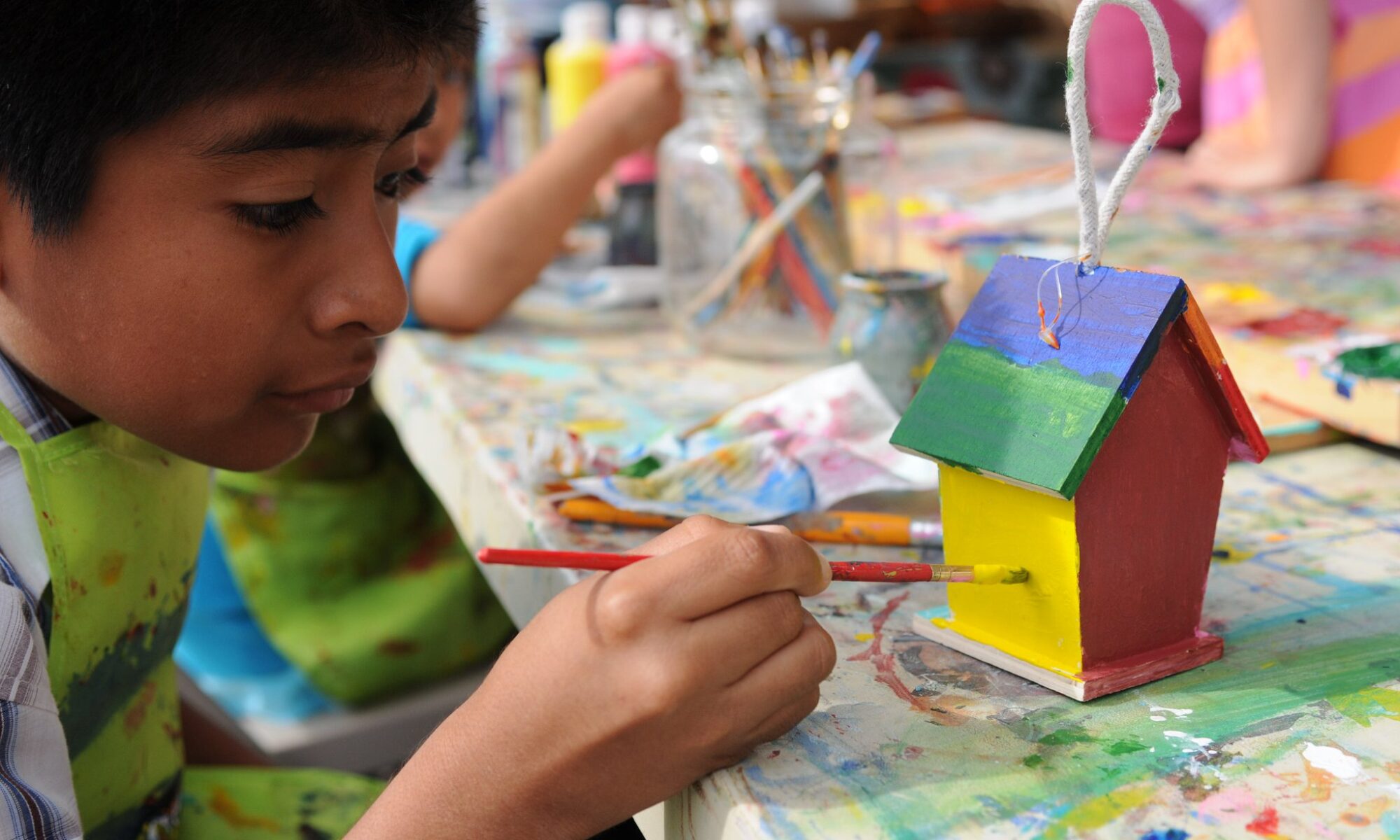
In this guide, I’m sharing some basic, practical advice to help get kids started with watercolor painting activities. Watercolor painting is absolute magic for preschool through elementary-age children. Over my decades of teaching artists of all ages, I’ve come to learn that watercolor is one of the easiest, most rewarding mediums to introduce to beginners.
The wonderful thing about watercolor painting is that children don’t need to be able to paint realistic details to thoroughly enjoy it. Kids naturally get lost in watching colors magically wash into each other—they truly love the process.
If you find you want to learn the exact step-by-step progressions, you can check out my books and curriculums, where I show you exactly how to set up your student painting areas for deep learning. But first, let’s look at the absolute basics you need to get started today.

The Basic Watercolor Supplies You Need
You do not need expensive, professional-grade materials to give your children a beautiful painting experience. You can find everything you need at any local craft store, art supply shop, or even Walmart.
Here is your quick starter checklist:
Plenty of Clean Water: Watercolor painting should be watery the entire time. Children will constantly be adding water to move the pigments around on the page, so keep a sturdy cup close by.
Student-Grade Watercolor Paints: Any standard student-grade watercolor paints will work perfectly. You can use liquid watercolors or dry watercolor cakes. In a pinch, you can even heavily water down washable tempera or acrylic paint to get that soft, signature watercolor effect!
Thick Watercolor Paper: You must use thick paper that can absorb lots of water without ripping, buckling, or pilling. If you cannot find watercolor paper, a thick poster board or heavy mixed-media paper can work for beginners, but do not use thin printer or construction paper.
Three Paintbrushes: You only need a few brushes to start. I recommend selecting three specific sizes: one large brush for wide watercolor washes, one medium brush for general shapes, and one very small brush for fine details.
Watercolor Paint Palettes: Having a plastic palette or a simple tray is incredibly helpful. A palette serves as a dedicated space to hold the paints, mix new shades, and keep pools of water from spilling across the table.
Napkins or Thick Paper Towels: These are non-negotiable! You will need napkins nearby for blotting excess water, drying brushes, and managing accidental puddles.

Setting Up Your Watercolor Painting Space
Because water is such a massive part of this medium, you want to set kids up in an area that can withstand accidental splashes or spills. If your indoor space isn’t ideal for a bit of water play, taking the painting boards outdoors is a fantastic alternative.
Teacher Tip: Before you start, designate a safe, flat surface where the finished watercolor paintings can sit undisturbed to dry completely flat. Moving a soaking wet painting too soon will cause all the colors to run together!

My Top Watercolor Painting Tips for Beginners
When you first introduce watercolors, try not to teach specific, rigid techniques right away. Children need plenty of time to play, explore, and experiment inside their palettes first.
Start by introducing just a few primary colors (red, yellow, and blue). Let them discover firsthand how those primary shades naturally blend into secondary colors like green, orange, and purple. Give them opportunities to get familiar with how translucent the paint looks when it’s wet versus how transparent it appears once it completely dries on the paper.
Once your students have built up their confidence and spent time playing with water control, you can gently introduce these classic, universal watercolor techniques:
- Wet-on-Wet Painting: Wetting the paper with clean water first, then touching a loaded paint brush to the page to watch the color bleed and bloom.
- Dry Brush Painting: Using a minimally damp brush on completely dry paper to create scratchy, high-texture strokes.
- Wax Resist: Drawing a design with a white wax crayon or oil pastel first, then painting watercolor over it to watch the lines magically pop through the paint.
- Salt Textures: Sprinkling a few grains of standard table salt onto a wet watercolor wash to create beautiful, starburst textures as it dries.

Gather your supplies, set up a safe space, and let your children explore the beautiful science of water and color!

Take Your Art Teaching to the Next Level
If you want more concrete advice on how to structure a full season of art lessons without the stress or overwhelm, explore my turnkey training programs and published books:
📚 View All of Spramani’s Art Teaching Books & Resources
🎨 Kids Painting Curriculum – Order my complete, step-by-step painting guide.
🧪 Kids Color Theory Curriculum – Discover how to teach color mixing as a hands-on science.
🎥 Painting Key Lessons 101 Video Training – A comprehensive video course perfect for homeschooling parents and primary grade teachers with no prior painting experience. Register Here.
About the Author
Spramani Elaun is a professional artist, homeschool parent, international art trainer, and author of 10 books on early childhood and elementary art education. She is the founder of Nature of Art® and the creator of the Science Art Method™. She specializes in helping educators and parents build calm, structured, and deeply inspiring visual arts programs for children worldwide.
- wet into wet watercolor painting (also know as wet on wet)
- dry watercolor painting, wax resist watercolor painting
- salt texture with watercolor.
If you want more advice on teaching kids painting check out my new book:
Order, Kids Painting Curriculum, Order HERE
Buy, Kids Color Theory Curriculum
Paperback, Kids Painting Book
Find, View All Spramani’s Art Teaching Books HERE
Painting Key Lessons 101 Video Training
About the Author: Spramani Elaun is a professional artist, author of 10 books on early childhood and elementary art education, and founder of Nature of Art®. She holds degrees in Fine Arts, Graphic Design, Digital Media, Print Media, and Business, and has spent over two decades developing the Science Art Method™. She trains Montessori schools and independent educators worldwide.
Check out my Kids Painting Book:

Kids Painting: Teach young kids how to paint, materials & set-up guide
by Spramani Elaun (Author)
ISBN-13 : 978-0991626410


All rights reserved © 2026, Nature of Art®

Nature of Art® provides art pedagogy
This website and its blogs supports individual educators in teaching children visual arts. It does not authorize professional development, staff training, or adaptation of the Science Art Method™ for institutional use.
No part of this blog may be used or be reproduced in any manner whatsoever including reproducing, publishing, performing, and making any adaptions of the work – including translation into another foreign language without written permission except in the case of brief quotations embodied in critical articles and reviews.
Nature of Art® Publishing P.O. Box 443 Solana Beach, California 92075.
About The Author

One Reply to “Watercolor Painting Basics for Children: An Educator’s Guide”
Comments are closed.