

By Spramani Elaun
Painting murals with children, kids, and families is one of the most joyful ways to build shared creative experiences. Working on a large surface feels exciting and memorable, especially when everyone contributes together. While painting murals does require thoughtful setup, it does not need to feel complicated or overwhelming. With preparation and flexibility, mural painting becomes collaborative, meaningful, and fun.
What Paint Murals With Children Are All About
Paint murals with children are less about perfection and more about participation. Murals invite everyone to contribute marks, colors, and ideas to a shared space. The experience encourages cooperation, confidence, and creative expression. When the focus stays on teamwork, mural painting feels welcoming for all ages.
Why Paint Murals Work Well for Kids and Families
Paint murals work beautifully for mixed age groups because there is room for everyone. Large spaces allow children to move freely and work at their own pace. Families enjoy seeing ideas come together in one shared artwork. Murals also create a strong sense of pride and connection.

How Paint Murals Support Community and Classroom Projects
Paint murals are often used for classrooms, schools, and community spaces. They help communicate shared values or themes through color and imagery. Because murals can be any size, they adapt easily to different spaces and goals. This flexibility makes mural painting accessible and inclusive.
Where to Paint Murals and What Surfaces Work Best
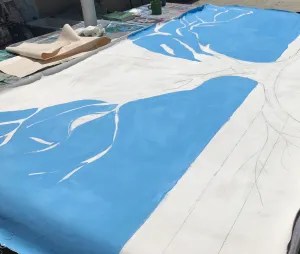
Paint murals can be created on framed canvas, canvas rolls, or other large paint friendly surfaces. There are no strict rules about size or shape. What matters most is having enough space for multiple painters to work comfortably. A reachable setup helps everyone stay engaged.
Which Supplies Help Paint Murals Run Smoothly
Paint murals require simple, reliable supplies. Large canvases, tarps or drop cloths, and a variety of paintbrush sizes are essential. Acrylic paint works well for coverage and durability. Having water buckets, rags, and smock cover ups nearby supports easy cleanup and comfort.

How Planning Helps Paint Murals Feel Calm
Paint murals benefit from light planning before painting begins. Talking together about ideas and themes builds excitement and direction. Simple outlines or guides can help organize space without limiting creativity. Planning ahead helps painting time flow more smoothly.

Why Shared Space Matters When You Paint Murals
Paint murals work best when supplies are placed where everyone can reach them. Setting the canvas on a table or surface accessible from all sides allows children to move freely. Clear expectations for sharing tools support cooperation. A well arranged space keeps energy positive.
How Cooperation Strengthens Paint Murals Experiences
Paint murals naturally encourage teamwork. Children learn to wait, share, and respond to one another’s ideas. Clear guidance about caring for brushes and materials helps maintain order. When everyone feels responsible, the mural experience feels respectful and successful.

What Makes Paint Murals So Memorable for Children
Paint murals stay memorable because they are big, bold, and shared. Children remember how it felt to paint alongside others. The finished mural becomes a lasting reminder of collaboration and creativity. These experiences often spark confidence and enthusiasm for future art projects.

Final Thoughts on How to Paint Murals With Children
Painting murals with children, kids, and families brings people together through creativity. With thoughtful setup and flexible expectations, mural painting feels joyful rather than stressful. The process matters more than the final image. For deeper guidance and creative structure, explore my books and art teaching resources, including Kids Painting, designed to support confident, collaborative art experiences.
http://www.ecokidsart.com/world-peace-mural-valualbale-lessons-iraqi-student
World Peace Mural | Valuable Lessons From Iraqi Students
5 Tips for Teaching Kids Acrylic Canvas Painting
How to Pick Paints for Kids’ Art Projects
About the Author: Spramani Elaun is a professional artist, author of 10 books on early childhood and elementary art education, and founder of Nature of Art®. She holds degrees in Fine Arts, Graphic Design, Digital Media, Print Media, and Business, and has spent over two decades developing the Science Art Method™. She trains Montessori schools and independent educators worldwide.
Check out my Kids Painting Book:


All rights reserved © 2026, Nature of Art®

Nature of Art® provides art pedagogy
This website and its blogs supports individual educators in teaching children visual arts. It does not authorize professional development, staff training, or adaptation of the Science Art Method™ for institutional use.
No part of this blog may be used or be reproduced in any manner whatsoever including reproducing, publishing, performing, and making any adaptions of the work – including translation into another foreign language without written permission except in the case of brief quotations embodied in critical articles and reviews.
Nature of Art® Publishing P.O. Box 443 Solana Beach, California 92075.