

By Spramani Elaun
What Safe Non Toxic Art Guides Mean for Kids
Safe non toxic art guides help parents and teachers make thoughtful choices when selecting art materials for children ages 3–12. These guides focus on protecting young bodies that are still growing and developing. While creativity is essential for children, safety must always come first. Art supplies are used close to hands, faces, and mouths, especially with younger kids. As a result, even small exposures can matter over time.

Why Safe Non Toxic Art Choices Matter
Safe non toxic art choices matter because many materials contain chemicals that may not show immediate effects. Some substances are considered low risk in short-term use but may contribute to long-term concerns with repeated exposure. Children’s immune systems are not as strong as those of adolescents or adults. Therefore, what seems harmless today may create challenges years later. Choosing safer options helps reduce unnecessary risks.
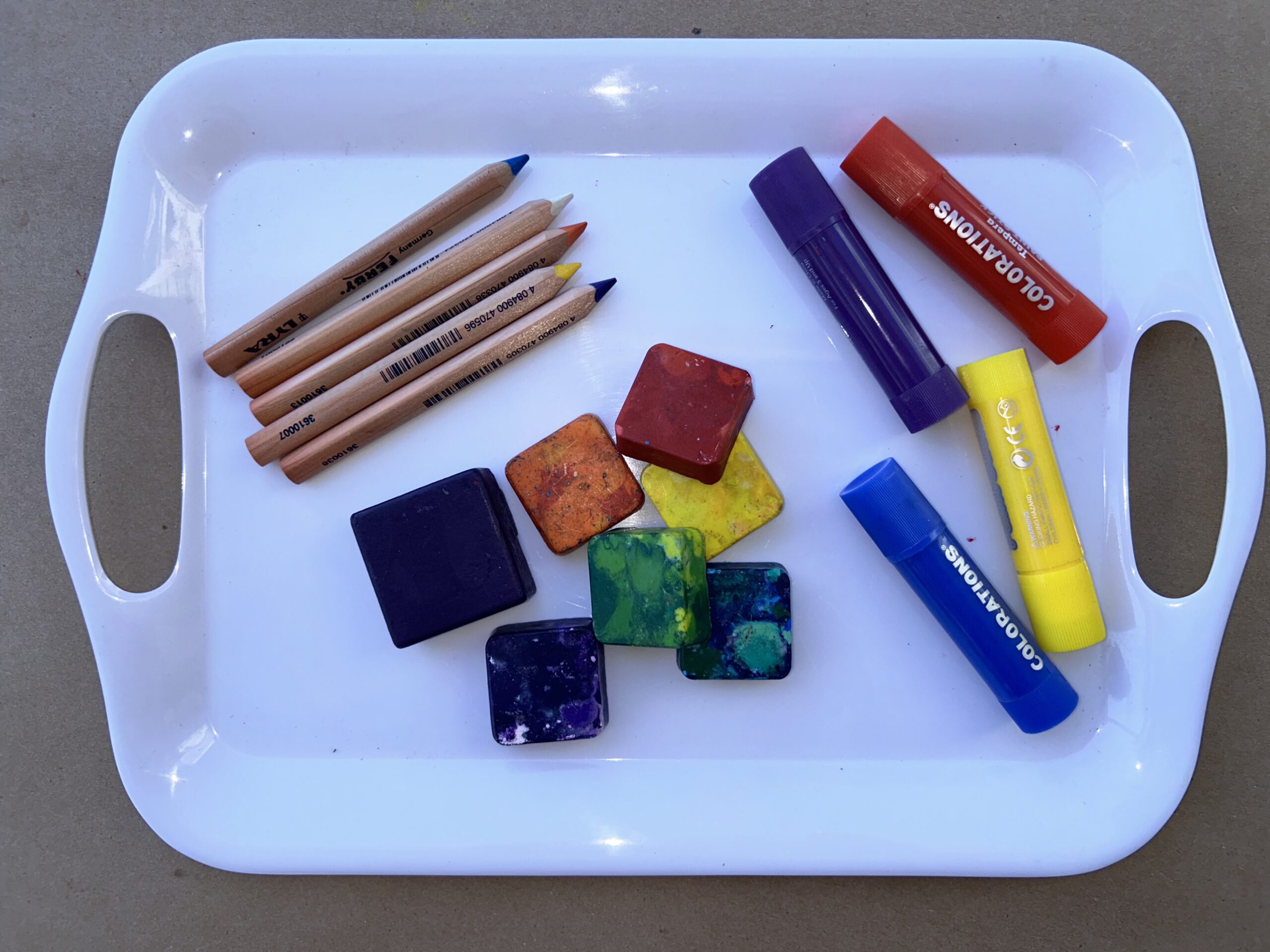
How the Precautionary Principle Guides Safe Art Decisions
The Safe Non Toxic Art approach I use is based on the Precautionary Principle, which simply means it is better to be safe than sorry later. Even when art supplies meet U.S. labeling laws, full scientific certainty about long-term exposure is often unavailable. For this reason, I treat safety standards as a starting point, not the finish line. This mindset helps families stay proactive instead of reactive. It also places children’s long-term well-being at the center of creative play.

Understanding Chronic Toxicity in Safe Art Use
Safe Non Toxic Art Guides also consider chronic toxicity, which differs from immediate reactions. Chronic effects may take years to appear after repeated exposure. National environmental reports have linked long-term chemical exposure to childhood health challenges. These concerns extend beyond art supplies and include everyday items like toys, personal care products, food packaging, water systems, and environmental pollution. Awareness allows families to make more informed choices across daily life.

Choosing Safe Non Toxic Art Supplies for Kids
Safe Non Toxic Art selection starts with intentional habits rather than fear. Small decisions add up and can reduce overall chemical exposure for children. Helpful reminders include:
- Look for clearly labeled non toxic materials designed specifically for children
- Limit unnecessary exposure by simplifying supply choices
- Replace questionable products with safer alternatives over time
These simple steps support creativity while keeping health in focus.

Building Confidence With Safe Non Toxic Art Practices
Safe Non Toxic Art Guides are about empowerment, not restriction. When adults feel confident in the materials they provide, children can create freely and joyfully. Creativity thrives best in environments where safety is quietly built in. Over time, these thoughtful choices become second nature. Most importantly, children learn that their well-being matters alongside their imagination.
For deeper guidance and creative structure, explore my books, art teaching curriculum, and professional training resources.


All rights reserved © 2026, Nature of Art®

Nature of Art® provides art pedagogy
This website and its blogs supports individual educators in teaching children visual arts. It does not authorize professional development, staff training, or adaptation of the Science Art Method™ for institutional use.
No part of this blog may be used or be reproduced in any manner whatsoever including reproducing, publishing, performing, and making any adaptions of the work – including translation into another foreign language without written permission except in the case of brief quotations embodied in critical articles and reviews.
Nature of Art® Publishing P.O. Box 443 Solana Beach, California 92075.