

By Spramani Elaun
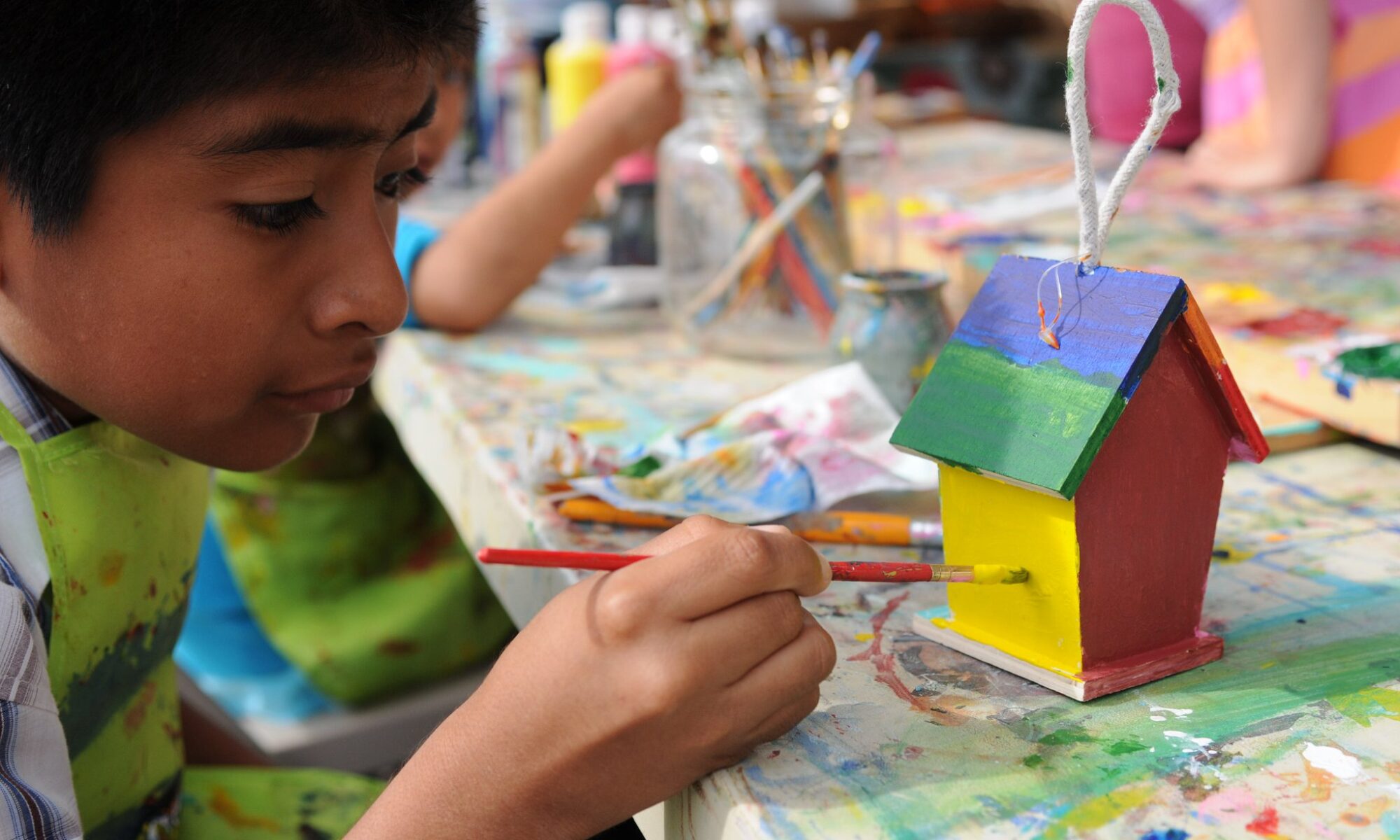
Teaching kids acrylic canvas painting is my specialty. I teach and host painting events weekly, and over the years I have worked with thousands of children of all ages. Acrylic paint offers rich color, satisfying coverage, and a sense of accomplishment that keeps kids engaged. These five tips will help you feel confident introducing acrylic canvas painting while keeping the experience calm and enjoyable.
What Teaching Kids Acrylic Canvas Painting Is About
Teaching kids acrylic canvas painting is not about perfect pictures. It is about helping children feel comfortable with paint, brushes, and canvas. When the environment is prepared and expectations are realistic, kids relax and creativity flows. Confidence grows through experience, not correction.

Why Teaching First-Time Painters Matters in Acrylic Canvas Painting
Introducing acrylic canvas painting to first-time painters can be powerful. Many children never get the chance to paint on canvas, and the experience often sparks lasting interest. Preparing the paint space ahead of time helps children feel safe and supported. A calm introduction encourages kids who may otherwise avoid painting.
How Choosing the Right Paints Supports Acrylic Canvas Painting
Parents and teachers are often unsure which paints to use. Student-grade, kid-safe acrylic paints are the best choice for children. These paints spread easily, clean up more smoothly, and reduce stress for everyone involved. Matching the paint to the surface helps children feel successful.

Why Smocks Help Teaching Kids Acrylic Canvas Painting
Acrylic painting can get messy, and clothing is often the biggest concern for adults. Wearing smocks or paint clothes allows children to paint freely without worry. Planning for mess ahead of time removes fear and frustration. When adults feel calm about cleanup, kids enjoy painting more.
How Color Exploration Improves Acrylic Canvas Painting for Kids
Color exploration plays an important role in acrylic canvas painting. Mixing colors helps children understand how paint behaves and changes. Watching colors transform feels exciting and keeps kids curious. This kind of exploration develops gradually and supports stronger painting skills over time.

Why Simple Guidance Works Best in Acrylic Canvas Painting
Teaching kids acrylic canvas painting works best with clear, simple guidance. Too many instructions can overwhelm young painters. Short, focused ideas allow children to explore at their own pace. Over time, confidence grows naturally through repeated experience.
Final Thoughts on Teaching Kids Acrylic Canvas Painting
Teaching kids acrylic canvas painting does not require years of training or complicated lessons. It requires preparation, patience, and understanding how children learn through experience. I created my book Kids Painting to save parents and teachers years of trial and error, with clear materials guidance and setup support. For deeper guidance and creative structure, explore my books and art teaching resources.
About the Author: Spramani Elaun is a professional artist, author of 10 books on early childhood and elementary art education, and founder of Nature of Art®. She holds degrees in Fine Arts, Graphic Design, Digital Media, Print Media, and Business, and has spent over two decades developing the Science Art Method™. She trains Montessori schools and independent educators worldwide.

Kids Painting: Teach young kids how to paint, materials & set-up guide
by Spramani Elaun (Author)
ISBN-13 : 978-0991626410

Warmly,
Spramani Elaun


All rights reserved © 2026, Nature of Art®

Nature of Art® provides art pedagogy
This website and its blogs supports individual educators in teaching children visual arts. It does not authorize professional development, staff training, or adaptation of the Science Art Method™ for institutional use.
No part of this blog may be used or be reproduced in any manner whatsoever including reproducing, publishing, performing, and making any adaptions of the work – including translation into another foreign language without written permission except in the case of brief quotations embodied in critical articles and reviews.
Nature of Art® Publishing P.O. Box 443 Solana Beach, California 92075.