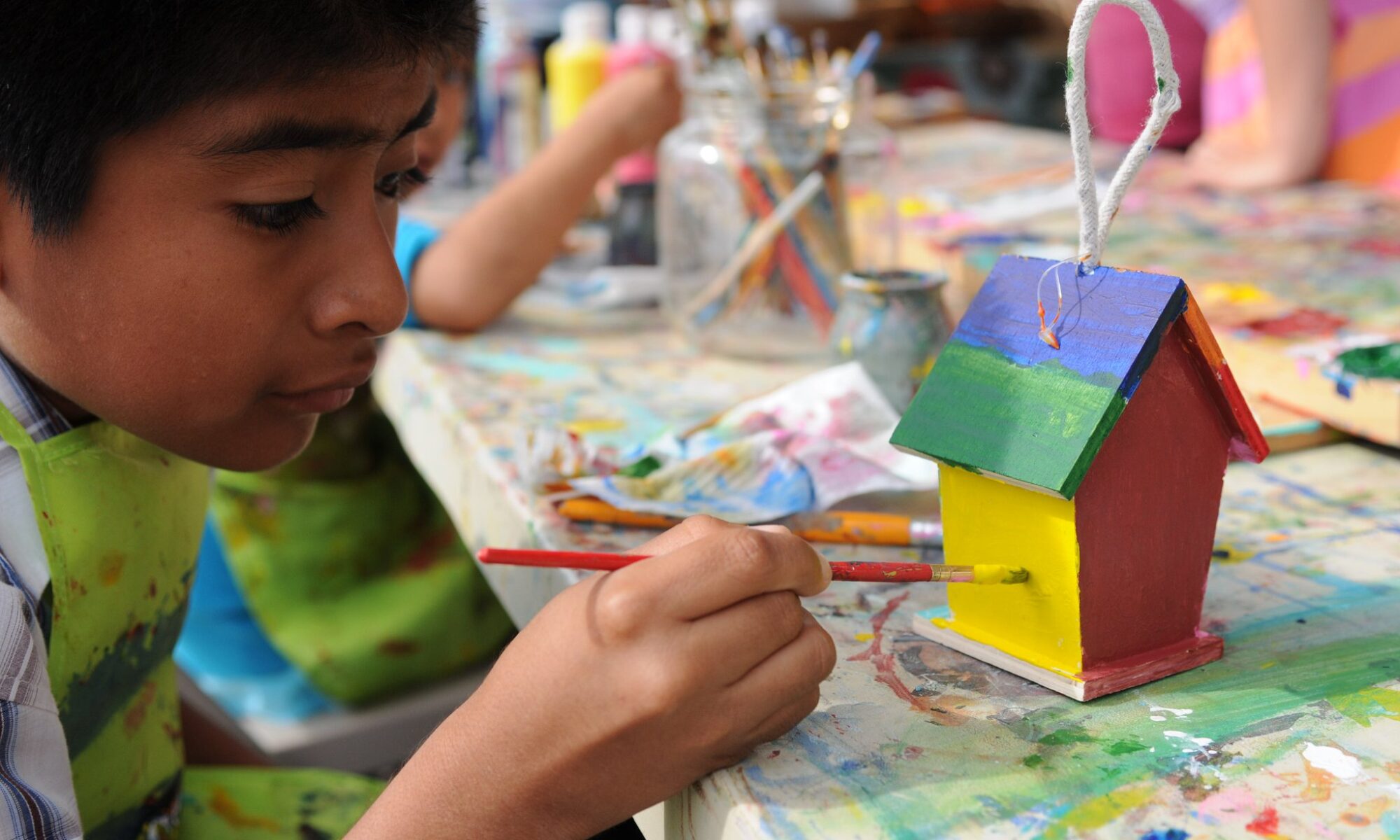


Running a seasonal art camp is one of the most profitable and rewarding ventures a studio owner, private educator, or community coordinator can launch. Unlike standard one-hour weekly classes, a multi-hour camp format gives you the dedicated time to immerse children deeply into creative mediums.
However, scaling your teaching model from a quick afternoon session to a multi-day camp program presents massive logistical challenges. Without a clear operational framework, a dream camp can instantly dissolve into a stressful whirlwind of wasted art supplies, chaotic schedule overruns, exhausted staff members, and overwhelmed campers.
Learning how to run a successful art camp isn’t about curating a collection of cute projects. It requires a systematic approach to environment engineering, fluid scheduling, and crowd management.
Having engineered and scaled high-enrollment art camps for over two decades, I have built a reliable operational blueprint that maximizes student engagement while minimizing backend stress. Here are the core secrets to running a calm, profitable, and highly successful art program.

1. Structure the Daily Schedule with Macro-Blocks
The number one mistake rookie camp directors make is scheduling projects back-to-back without accounting for the natural energy fluctuations of children. If you expect campers to sit at a table painting for four straight hours, you will face major behavioral fatigue by day two.
An elite art camp must utilize a rhythmic, macro-blocked schedule that alternates high-focus fine motor work with active gross motor transitions.
A highly successful daily cadence should follow a reliable flow:
1.The High-Focus Art Block: 90 Minutes.
Dedicate the early morning—when camper focus and cognitive energy are at their peak—to your primary fine-art curriculum work (such as clay modeling, drawing foundations, or complex color mixing).
2.The Gross Motor Transition: 30 Minutes.
Completely break away from the studio tables. Move outdoors or into a dedicated movement space for a snack, free play, or group games to allow children to release physical energy.
3.The Process-Based Exploration Block: 60 Minutes.
Return to the studio for tactile, open-ended medium exploration (such as textured printmaking, weaving, or collective mural work) that requires lower instructional pressure.
4.The Systematic Studio Reset: 15 Minutes.
Guide campers through a predictable, shared cleanup routine, turning studio maintenance into a rewarding, independent team ritual before checkout.
2. Engineer the Physical Space to Mitigate Chaos
Art camp chaos is almost always an environmental breakdown, not a behavioral issue. When dozens of children are simultaneously handling liquid paints, water cups, sharp tools, and drying sheets, your physical floor plan must act as a silent manager.
Designate a Permanent Drying Zone: Map out your drying racks, flat tables, or floor zones before art camp starts. If your instructors are frantically looking for a place to put 30 wet canvases mid-session, your studio flow will stall.
Establish a Dedicated “Traffic Control” System: Separate your active creation zones from your art supplies pickup area. Never force twenty children to crowd around a single supply table to grab brushes or paper. Pre-stage materials on individual student trays before the camp day begins.
Isolate the Water Station: Spilled water jars are the fastest way to ruin ongoing artwork and create safety hazards. Utilize wide, heavy-bottomed containers that are incredibly difficult to tip over, and place designated water refill zones entirely away from high-traffic walkway zones.

3. Prioritize Skill Scaffolding Over Complex Novelty
Many camp directors waste hundreds of dollars purchasing complex, gimmicky craft kits because they assume children need constant novelty to stay entertained. This approach destroys your profit margins and overwhelms your instructional staff.
Instead of jumping between unrelated, high-mess mediums every single day, build your art lesson theme around a scaffolded skill sequence.
For example, if your camp theme focuses on clay and sculpture, spend day one mastering basic clay hand-mechanics and hand strength. Spend day two building individual structural forms, and dedicate day three to advanced surfacing and pigment application.
This deep, process-based approach keeps children thoroughly mesmerized by their own skill development, ensures high-value artistic outcomes, and keeps your material overhead exceptionally lean.
4. Train Your Instructional Staff on the “Two-Minute Rule”
If your camp counselors or assistant teachers spend fifteen minutes delivering long, complicated oral instructions before letting kids touch their materials, your campers will completely disengage.
Train your staff to implement the Two-Minute Rule:
- Gather the campers tightly around a central demonstration table.
- Deliver a crisp, hyper-focused visual demonstration isolating exactly one physical hand movement or tool technique.
- Keep instructions capped at a maximum of three clear steps.
- Dismiss the children to their tables to immediately execute the movement while the visual memory is completely fresh.
This operational standard eliminates frustration, minimizes mistaken material use, and allows the adult staff to act as calm facilitators rather than reactive lecturers.

Frequently Asked Questions About Running an Art Camp
Q: What is the ideal age range for a combined childhood art camp?
A: For optimal studio management and peer engagement, grouping children into tight developmental bands is best. Combining ages 5–8 works exceptionally well because these children share similar fine motor capabilities and attention spans, whereas mixing preschoolers with upper elementary students often causes instructional friction.
Q: How many hours a day should a half-day art camp run?
A: A standard three-hour block (e.g., 9:00 AM to 12:00 PM) is the operational sweet spot for half-day summer art camps. This window provides ample time for one high-focus curriculum block, a movement transition break, and an open-ended exploration block without pushing children into behavioral fatigue or nap schedules.
Q: What are the safest, most cost-effective paints to buy in bulk for a camp?
A: For high-volume camp settings, student-grade liquid tempera and large dry watercolor stock cakes offer the best balance of safety, vibrant color payoff, and budget efficiency. Always select certified non-toxic, washable formulas to minimize garment damage and streamline clean-up times.
Q: How do you prevent children from ruining their artwork by over-mixing colors?
A: Color muddying is easily prevented by limiting the initial palette available on the student trays. By pre-staging only primary colors or complementary color pairs, children can experiment with blending completely independently while naturally producing vibrant, successful results every time.
How Making Art Camp Fun Builds Lasting Memories

Scale Your Art Camp Business with Total Clarity
You do not need to endure seasons of trial, error, expensive supply waste, or burnout to discover how to run a highly profitable, stress-free art camp.
If you want to skip the operational guesswork and implement a proven framework that keeps your studio organized, your parents raving, and your campers deeply inspired, I have built comprehensive turnkey resources designed specifically for professional art directors and educators.
Implement an Open-and-Go Studio Framework:
📚 Browse All Nature of Art® Professional Manuals – Expand your commercial resource library with my published paperbacks outlining childhood process-art methodologies.
📜 The Art Teaching Blueprint™ Certification – My premier professional development course training studio owners, classroom guides, and camp directors worldwide on space engineering, group management, and seamless material pacing.
✏️ The Open-and-Go Art Curriculums – Eliminate lesson-prep stress with fully scaffolded, step-by-step guides for Sequential Drawing, Brushstroke Painting, and Hands-On Color Theory.

Defining Visual Arts: Art standards for early childhood through elementary grades
by Spramani Elaun (Author)
ISBN-13 : 979-8991256124
About the Author
Spramani Elaun is an international art business trainer, professional artist, and author of 10 books on early childhood and elementary art education. As the founder of Nature of Art® and creator of the Science Art Method™, she is the leading external authority bringing structured, highly profitable visual arts programming into schools, studios, and camp environments worldwide. Over the past twenty years, she has certified thousands of educators to lead calm, orderly, and exceptionally successful child-led art spaces.


All rights reserved © 2026, Nature of Art®

Nature of Art® provides art pedagogy
This website and its blogs supports individual educators in teaching children visual arts. It does not authorize professional development, staff training, or adaptation of the Science Art Method™ for institutional use.
No part of this blog may be used or be reproduced in any manner whatsoever including reproducing, publishing, performing, and making any adaptions of the work – including translation into another foreign language without written permission except in the case of brief quotations embodied in critical articles and reviews.
Nature of Art® Publishing P.O. Box 443 Solana Beach, California 92075.