

By Spramani Elaun
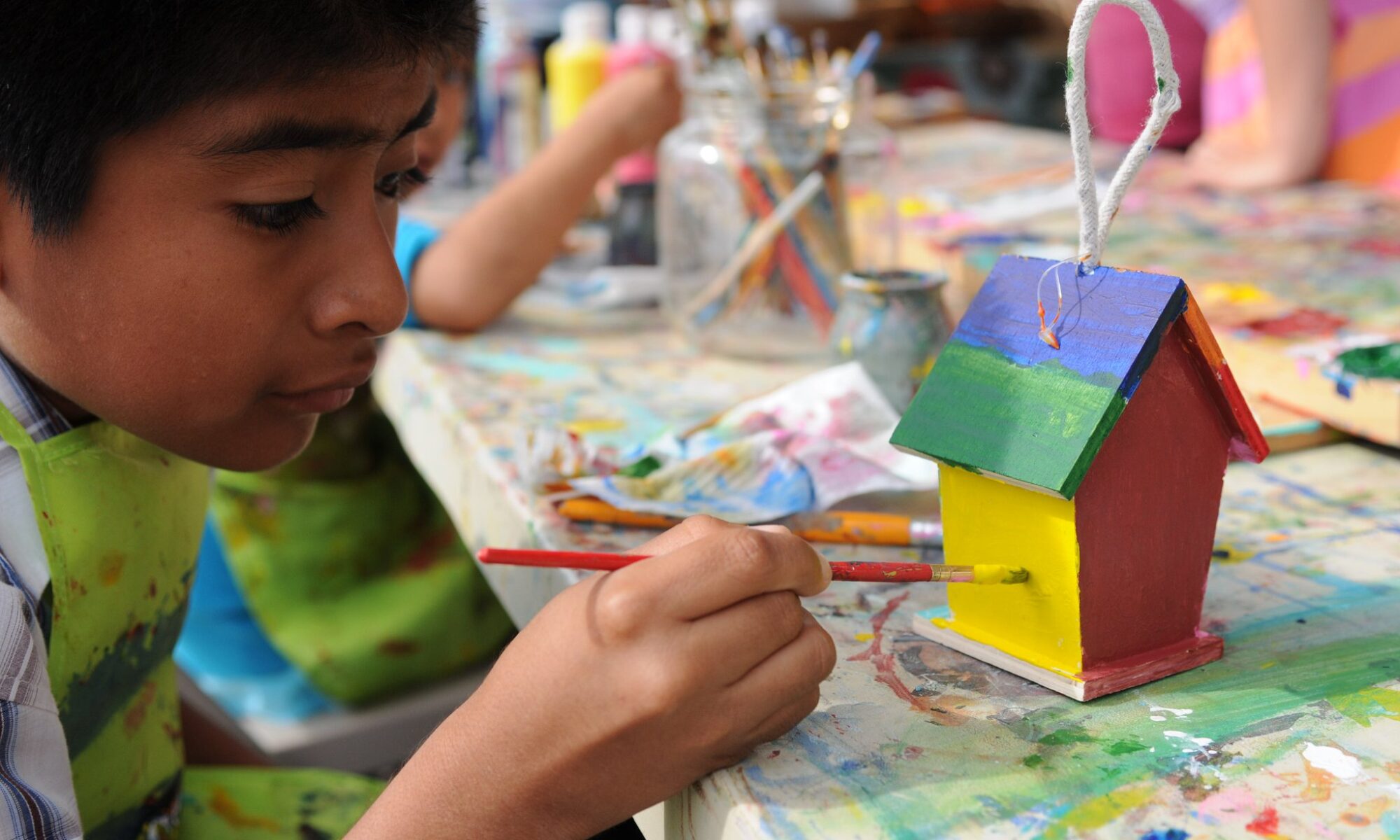
Children love painting paper, and for good reason. Every summer during my art camps in San Diego, painting papers is consistently one of the most requested activities. Kids are drawn to bright colors, unusual tools, and the freedom to experiment without worrying about a finished picture. Painting paper feels playful, expressive, and full of possibility. I got inspired by Eirc Carls painted paper work for this activity. In this blog I will give you some tips on How to Paint Paper Like Eric Carle.
What Painting Paper Like Eric Carle Really Means
Painting paper like Eric Carle means focusing on texture, color, and pattern rather than realistic images. Painted paper is simply paint applied to paper, either white or colored. The magic comes from how the paint is applied and what tools are used. This approach creates rich surfaces that can later become something entirely new.

Why Eric Carle Painted Paper Inspires Children
Eric Carle is well known for his vibrant painted papers and collage style. He created his illustrations by first painting papers, letting them dry, and then cutting and arranging them into shapes. This method brought characters to life in books such as The Very Hungry Caterpillar. Children love this approach because it feels accessible and playful.
How Painted Paper Builds Creative Confidence
Painting paper encourages exploration without pressure. Children can try bold colors, layer marks, and experiment with texture freely. There is no right or wrong result, only discovery. This sense of freedom helps children feel confident and curious as artists.

What Materials Support Painting Paper Like Eric Carle
Painting paper does not require special supplies. Almost any paint works, including watercolor, tempera, acrylic, or gel paints. Plain or colored paper both work well. Paintbrushes, sponges, and found objects can all create interesting marks. A drying space is helpful so papers can rest before being reused.
Why Texture and Pattern Matter When Painting Paper
Painting paper naturally introduces texture and pattern. Children can explore how paint moves, layers, and reacts to different tools. These visual qualities make the papers exciting to look at and touch. Over time, kids begin to notice how different marks create different effects.
How Painted Paper Becomes Collage Art

Once painted papers are dry, they become building materials for future artwork. Children can cut, tear, and arrange pieces into new shapes like Eric Carle did in his beloved books. This step transforms abstract painted surfaces into recognizable forms. The process feels satisfying because nothing is wasted and every piece has potential.
How to paint:
- Set up paints
- Set up different papers
- Allow Children to explore paints
- Set up objects that create texture
- Let Dry
- Create new images from the painted paper

When Painting Paper Feels Most Successful
Painting paper works best when the focus stays on experience rather than directions. Offering a variety of colors and tools invites experimentation. Allowing children to choose how they work keeps engagement high. The results are often surprising and full of personality.

Why Painted Paper Activities Stay Memorable
Children remember painting paper because it feels joyful and empowering. They get to make choices, explore materials, and see their work transform over time. The activity also supports future creativity, since painted papers can be saved and reused. This sense of continuity keeps kids excited about making art again.

About the Author: Spramani Elaun is a professional artist, author of 10 books on early childhood and elementary art education, and founder of Nature of Art®. She holds degrees in Fine Arts, Graphic Design, Digital Media, Print Media, and Business, and has spent over two decades developing the Science Art Method™. She trains Montessori schools and independent educators worldwide.
Check out my Kids Painting Book:

Kids Painting: Teach young kids how to paint, materials & set-up guide
by Spramani Elaun (Author)
ISBN-13 : 978-0991626410


All rights reserved © 2026, Nature of Art®

Nature of Art® provides art pedagogy
This website and its blogs supports individual educators in teaching children visual arts. It does not authorize professional development, staff training, or adaptation of the Science Art Method™ for institutional use.
No part of this blog may be used or be reproduced in any manner whatsoever including reproducing, publishing, performing, and making any adaptions of the work – including translation into another foreign language without written permission except in the case of brief quotations embodied in critical articles and reviews.
Nature of Art® Publishing P.O. Box 443 Solana Beach, California 92075.