

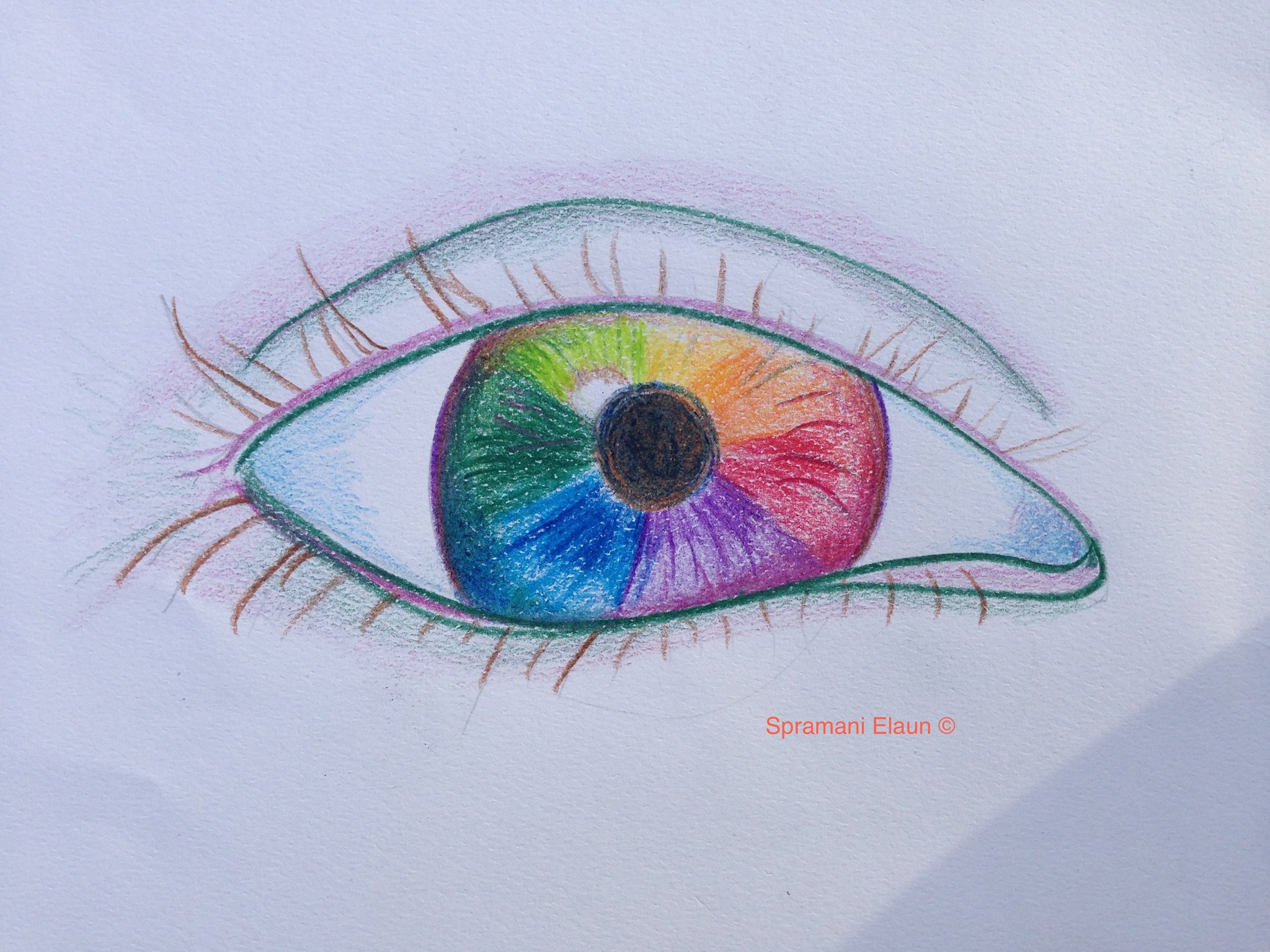

Helping Children Build Confidence With Drawing
Many parents and educators feel frustrated when children struggle with drawing, especially when drawings don’t look “realistic” right away. This can lead to confusion about where to begin or how to support children without overwhelming them.
The good news is that drawing doesn’t need to start with realism or complex techniques. Children benefit most when drawing feels approachable, playful, and encouraging.

Why Drawing Can Feel Challenging for Children
Drawing asks children to notice shapes, patterns, and details in the world around them. That takes time. Young artists are still learning how to observe carefully and translate what they see onto paper.
When expectations are too high or lessons move too quickly, children may feel discouraged. A slower, more supportive approach helps children build confidence and enjoyment. teaching children drawing

Keeping Drawing Experiences Simple
Children don’t need complicated lessons to begin drawing. Simple materials and open-ended opportunities allow them to explore marks, shapes, and ideas at their own pace.
Focusing on one idea at a time—such as drawing simple shapes or noticing patterns in nature—helps children stay engaged without pressure.

Drawing From the Natural World
Many families and classrooms enjoy using everyday objects from nature as drawing inspiration. Fruits, leaves, shells, and other natural items often spark curiosity because of their interesting shapes, colors, and patterns.
Drawing from real objects encourages children to slow down and notice details they might otherwise overlook. drawing lessons


A checklist of lesson ideas children must work on to become better at drawing…its free!
Encouraging Observation and Creativity
Rather than focusing on accuracy, it’s helpful to encourage children to:
- look closely
- try again
- notice differences
- enjoy the process
Drawing becomes more meaningful when children feel free to experiment and make choices without fear of doing it “wrong.”
Art for All Ages
Drawing activities can be enjoyed by children of all ages. Younger children may focus on bold shapes and simple marks, while older children often enjoy adding detail and complexity. The same idea can be revisited over time, growing alongside the child’s interests and abilities.

Learning More About Teaching Drawing
If you’d like deeper guidance on how children develop drawing skills, how to choose materials, or how to structure supportive art experiences, I share that information in my books, art blogs, drawing curriculum, and professional training programs.
These resources are designed to help parents and educators feel confident while honoring each child’s unique creative journey. Elementary Art Guide Early Childhood Art Guide
Drawing is not about getting it right—it’s about learning to see, explore, and enjoy creating.
Warmly,
Spramani Elaun
Art Educator & Author


http://www.ecokidsart.com/kids-drawing-lessons-tips-is-copying-pictures-good/
http://www.ecokidsart.com/teach-drawing-painting-without-know-how/


All rights reserved © 2026, Nature of Art®

Nature of Art® provides art pedagogy
This website and its blogs supports individual educators in teaching children visual arts. It does not authorize professional development, staff training, or adaptation of the Science Art Method™ for institutional use.
No part of this blog may be used or be reproduced in any manner whatsoever including reproducing, publishing, performing, and making any adaptions of the work – including translation into another foreign language without written permission except in the case of brief quotations embodied in critical articles and reviews.
Nature of Art® Publishing P.O. Box 443 Solana Beach, California 92075.