

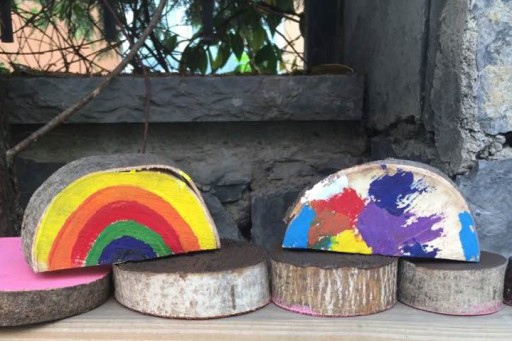

Choosing paint for children can feel confusing at first. With so many options available, it helps to understand that different paints are designed for different purposes. Acrylic and tempera paints are two of the most common choices for kids, and while they may look similar, they behave quite differently.
This guide explains the practical differences so you can choose the best paint for your needs—whether you’re painting at home, in a classroom, or during a short art activity.

Acrylic vs. Tempera: The Basics
Both acrylic and tempera paints:
- Are available in child-safe, non-toxic formulas
- Can be thinned and cleaned up with water
- Come in a wide range of colors
The key difference lies in how the paint dries, how permanent it is, and what surfaces it works best on.

Acrylic Paint for Kids
Acrylic paint is designed to adhere to surfaces and last over time.
Characteristics:
- Dries solid and permanent
- Typically dries opaque (not see-through)
- Often dries with a glossy or semi-gloss finish
- Adheres well to many surfaces
Best for:
- Canvas
- Wood
- Thick paper
- Cardboard
- Long-term art projects

Tempera Paint for Kids
Tempera paint is designed for temporary, washable art experiences.
Characteristics:
- Washable from skin and most fabrics
- Dries with a matte finish
- Feels thick when wet but may dry softer
- Less permanent than acrylic
Best for:
- Paper
- Cardboard
- Short-term projects
- Younger children
- Situations where easy cleanup is important

Which Paint Is Better?
There is no “better” paint—only the right paint for the job.
Choose acrylic paint if you want:
- Durable artwork
- Paint that stays on surfaces long-term
- Rich, opaque color
Choose tempera paint if you want:
- Easy cleanup
- Washable results
- Temporary projects
- Lower-mess painting sessions
Understanding the difference allows you to match the paint to your project instead of feeling frustrated by unexpected results.

Best Craft Paint for Kids Art Projects: Simple Recommendations


All rights reserved © 2026, Nature of Art®

Nature of Art® provides art pedagogy
This website and its blogs supports individual educators in teaching children visual arts. It does not authorize professional development, staff training, or adaptation of the Science Art Method™ for institutional use.
No part of this blog may be used or be reproduced in any manner whatsoever including reproducing, publishing, performing, and making any adaptions of the work – including translation into another foreign language without written permission except in the case of brief quotations embodied in critical articles and reviews.
Nature of Art® Publishing P.O. Box 443 Solana Beach, California 92075.